The Menu, Section by Section
A documented record of the dishes that appeared on the card, with notes on how the sections were built and what each one was doing.
A steakhouse menu is a structural document. It tells you where the kitchen is spending its attention, what it expects a table to order together, and how it wants the evening to be paced. This card is unusually legible in that respect: a Japanese beef section priced by the ounce, a conventional American steak list behind it, a Halal section that most Midtown steakhouses do not carry, and a seafood and pasta programme substantial enough to feed a table that is not eating beef at all.
The listing below is reproduced for reference from published menu material. Prices are deliberately omitted — they changed repeatedly over the restaurant's run, and any figure here would be misleading.
How to read this menu
The Kobe section is priced differently on purpose
Everything in the certified Japanese section carried a three-ounce minimum and was sold by weight from there. That structure is what made the beef reachable: rather than a single four-figure steak, a table could order a tasting portion and still eat a full dinner around it. The restaurant's press coverage repeatedly picked up on this — the framing was consistently about access rather than exclusivity.
The Kobe tasting is the most informative order
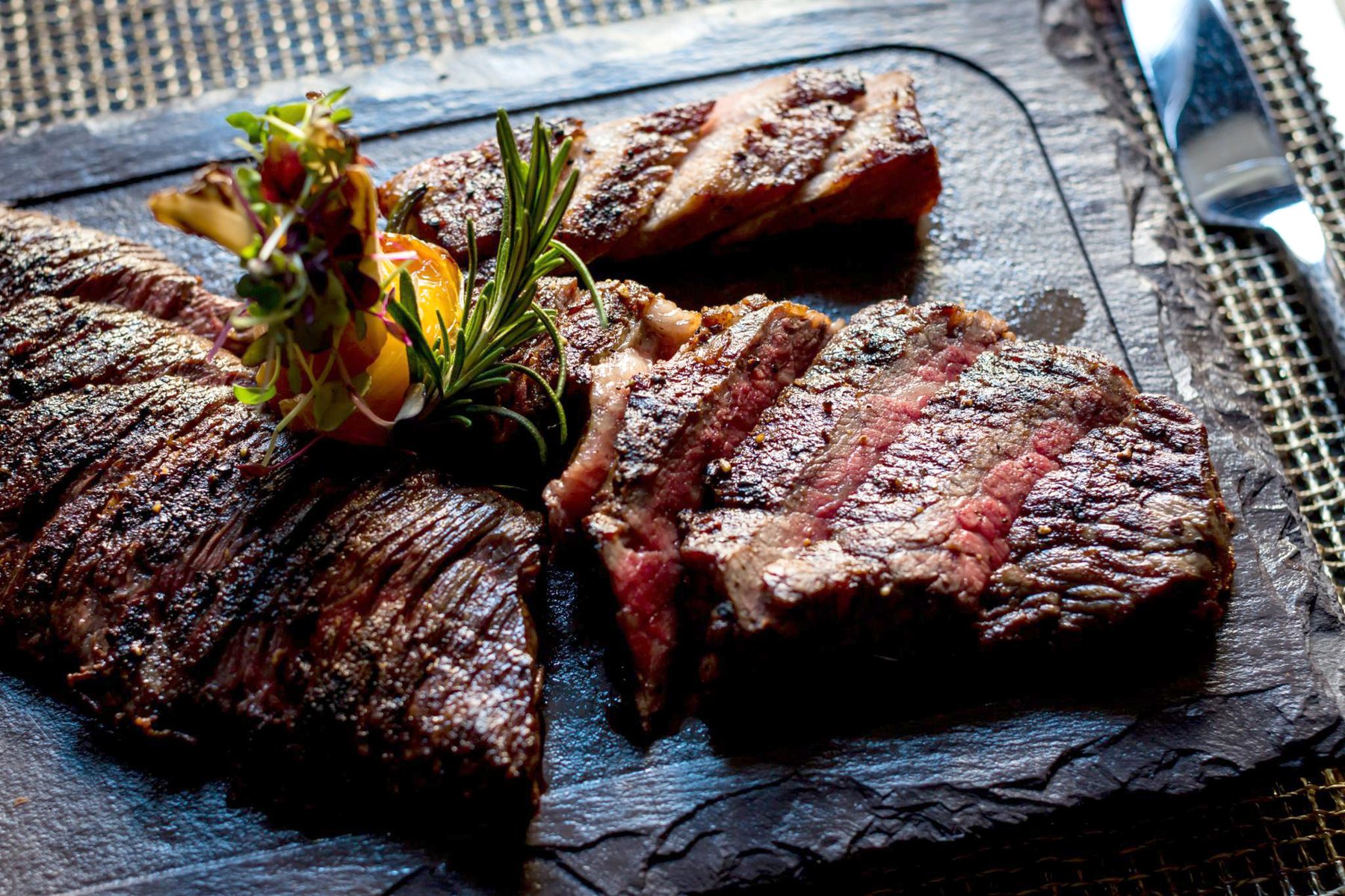
Ribeye, striploin and tenderloin at three ounces each puts the three primal characters side by side at a level of marbling where the differences are unusually easy to read. Tenderloin is the mildest and finest-grained; striploin carries the most beef flavour per bite; ribeye is the richest and the one most people remember. Eaten together, in that order, the progression makes sense.
The Australian Wagyu is where the big steaks live
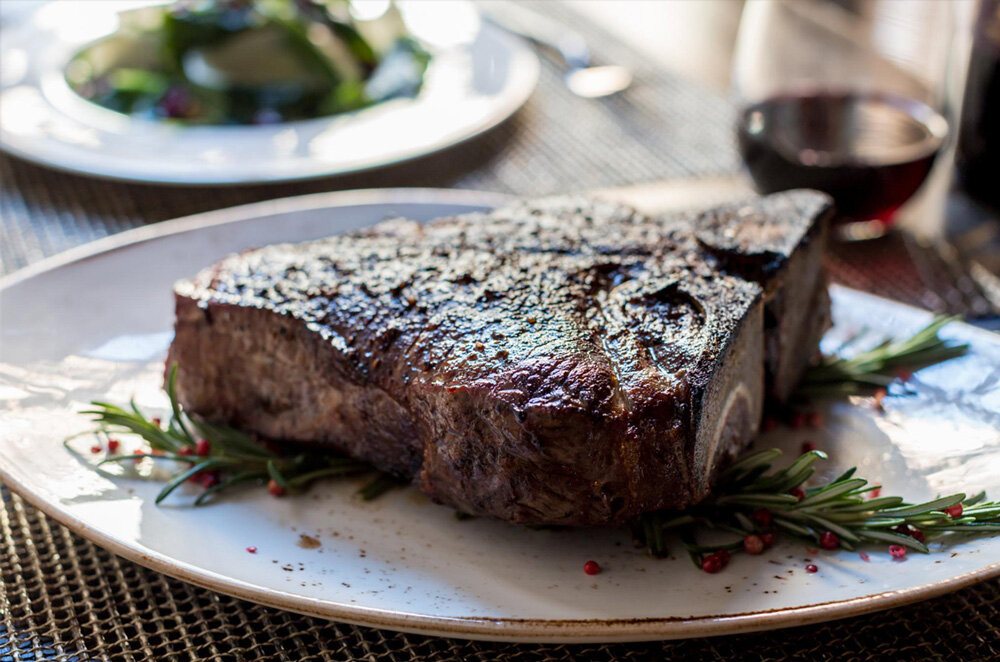
A thirty-two-ounce bone-in ribeye or a forty-ounce dry-aged porterhouse is a different kind of meal entirely — a shared centrepiece with sides, in the classic American mould. Australian Wagyu suits this format better than Japanese beef does, because it holds a firmer chew at volume.
The Halal section is a genuine outlier
Halal-certified Canadian Prime steaks, including a Wagyu ribeye and a twenty-eight-ounce T-bone, are rare on a Manhattan steakhouse list at this level. It widened the room's audience considerably, particularly given the diplomatic and international character of the surrounding Turtle Bay and United Nations blocks.
The pasta and risotto section is not filler
Cacio e pepe and a black truffle risotto sit oddly on a steak card unless the kitchen intends them to be ordered. Read alongside the Mediterranean salad, the smoked aubergine tahini under the lamb, and the pomegranate labneh with the seabass, a consistent thread appears — the kitchen's instincts ran Mediterranean, and the steakhouse format was built on top of that rather than the other way round.
Reference only. This archive reflects menu material published during the restaurant's operation. Menus change constantly, and nothing here should be relied on as a current offering. Please confirm availability directly with the venue.