Dry-Aged vs Wet-Aged Beef: What Actually Changes
Two processes, two completely different results. What the weeks in a locker actually do to the meat.
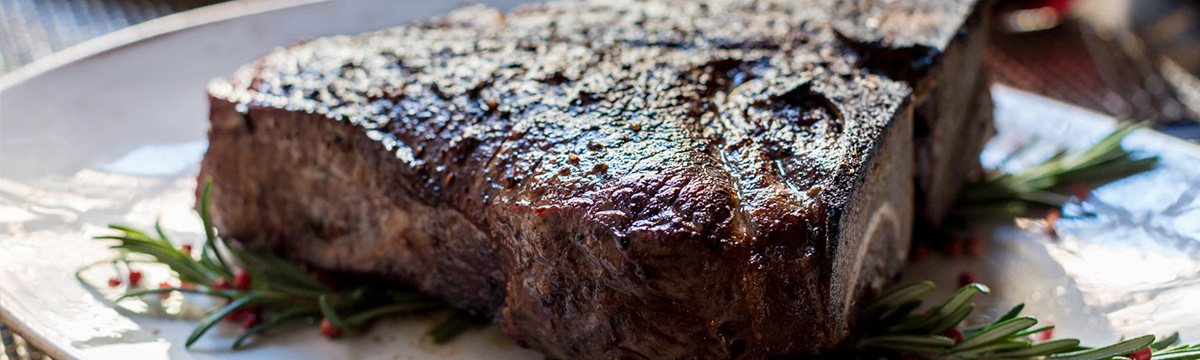
Almost all beef is aged. Fresh-slaughtered meat is tough, because the muscle goes into rigor and stays there until natural enzymes begin breaking down the proteins holding it rigid. The question is not whether beef is aged but how — and the two dominant methods produce results so different that they are effectively separate ingredients.
Wet-ageing
The industry default. Primal cuts are vacuum-sealed shortly after processing and held under refrigeration, typically for one to four weeks, often while in transit or storage.
What happens
Enzymes continue breaking down connective tissue, so the meat tenderises. Because it is sealed, no moisture escapes and no evaporation occurs.
What you taste
Clean, straightforward beef flavour. Some describe a faint metallic or serum note from the meat sitting in its own liquid. It is unobjectionable, and it is what most people mean when they think of the taste of steak.
Economics
Essentially free. No weight loss, no trimming, no dedicated space. This is why it is the standard.
Dry-ageing
Primals are hung uncovered in a controlled environment — temperature just above freezing, humidity carefully held, constant airflow — for anywhere from three weeks to several months.
What happens
Three processes run at once.
- Evaporation. Moisture leaves the meat, concentrating everything left behind. Losses of fifteen to thirty per cent are normal.
- Enzymatic breakdown. Proteins break into amino acids, fats into fatty acids. Both are flavour compounds; glutamates in particular build up, which is the source of the savoury depth.
- Surface flora. A crust forms, and beneficial moulds and bacteria develop on the exterior. The crust is trimmed away entirely before the meat is portioned, but the enzymes it produced have worked inward.
What you taste
Concentration first, then complexity. Long-aged beef develops notes commonly described as nutty, cheesy, mushroom-like or blue-cheese-adjacent. The texture changes too — denser and more yielding at once, with less water released when cut.
Economics
Expensive, and legitimately so. A locker occupies space for weeks. Weight loss is substantial. The crust must be trimmed and discarded, and that trim is often another ten to fifteen per cent. A dry-aged steak can represent nearly twice the starting weight of a wet-aged one.
What the timelines mean
| Duration | Character |
|---|---|
| 14–21 days | Tenderised, flavour still recognisably fresh beef |
| 28–35 days | The steakhouse standard. Clear concentration, mild nuttiness, broadly appealing |
| 45–60 days | Pronounced funk. Blue-cheese notes emerge. Divides tables |
| 90 days + | Intense and specialist. A minority pursuit, and unapologetically so |
Longer is not better, only more. Thirty-day beef is the standard because it is where most palates find the best balance, not because kitchens lack ambition.
Which cuts suit dry-ageing
Dry-ageing needs fat and bone. The fat cap and bone protect the interior from drying out, and without them losses become uneconomic.
- Excellent: Bone-in ribeye, porterhouse, T-bone, bone-in strip.
- Workable: Boneless strip loin with a good fat cap.
- Poor: Tenderloin — too lean, dries out, and the mildness it is prized for gets overwritten.
- Pointless: Skirt, hanger and other thin cuts. Nothing survives the trim.
Dry-ageing and Wagyu
Here the question gets interesting, and practice varies.
Japanese fullblood Wagyu is rarely dry-aged. The fat is soft and unsaturated enough to oxidise readily, and the beef's character is already so pronounced that ageing flavours compete rather than complement. Most kitchens serve it fresh.
Australian Wagyu is a different matter and dry-ages very well. It has the marbling to withstand moisture loss and enough muscle character for aged flavours to build on. A twenty-ounce dry-aged Wagyu T-bone or a forty-ounce dry-aged Wagyu porterhouse is a genuinely distinct proposition — the richness of Wagyu with the concentration and funk of ageing, which neither delivers alone.
How to spot the real thing
- Colour. Dry-aged beef is deeper and darker, often approaching burgundy.
- Surface moisture. Very little. Wet-aged steak sits in liquid; dry-aged does not.
- Smell. Nutty and faintly cheesy, never sour or ammoniac. Sour means a fault.
- The pan. Dry-aged beef browns faster because there is less surface water to evaporate first.
- The bill. Genuine dry-ageing is expensive. A dry-aged steak priced level with the wet-aged one beside it is worth a question.
Cooking a dry-aged steak
Three adjustments.
- Less salt in advance. There is already less water to draw out, and the flavour is concentrated.
- Slightly lower heat, slightly longer. The reduced surface moisture means it browns quickly, and it will overshoot if you cook it like a wet-aged steak.
- Nothing competing. Skip the heavy sauce. Butter, garlic, thyme and salt are enough; a peppercorn cream sauce simply buries what you paid for.
About this site. 212steakhousenyc.com is an independent editorial publication. It is not affiliated with any restaurant, supplier or certification body mentioned here, and it takes no bookings or enquiries. Details about any venue should be verified directly before you act on them. See our editorial policy.
More from the blog
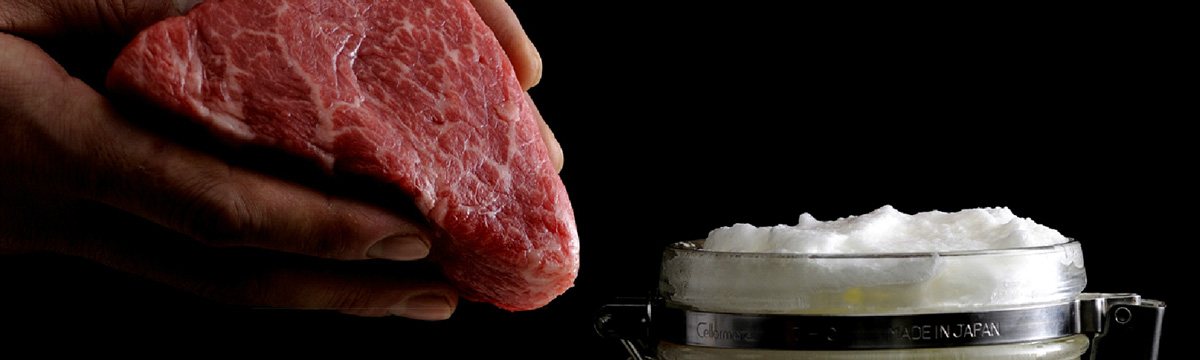
Authentic Kobe Beef vs “Kobe-Style”: How to Tell the Difference
Six requirements separate certified Kobe from the marketing term that borrowed its name. Here is what each one means and how to check.
Read more →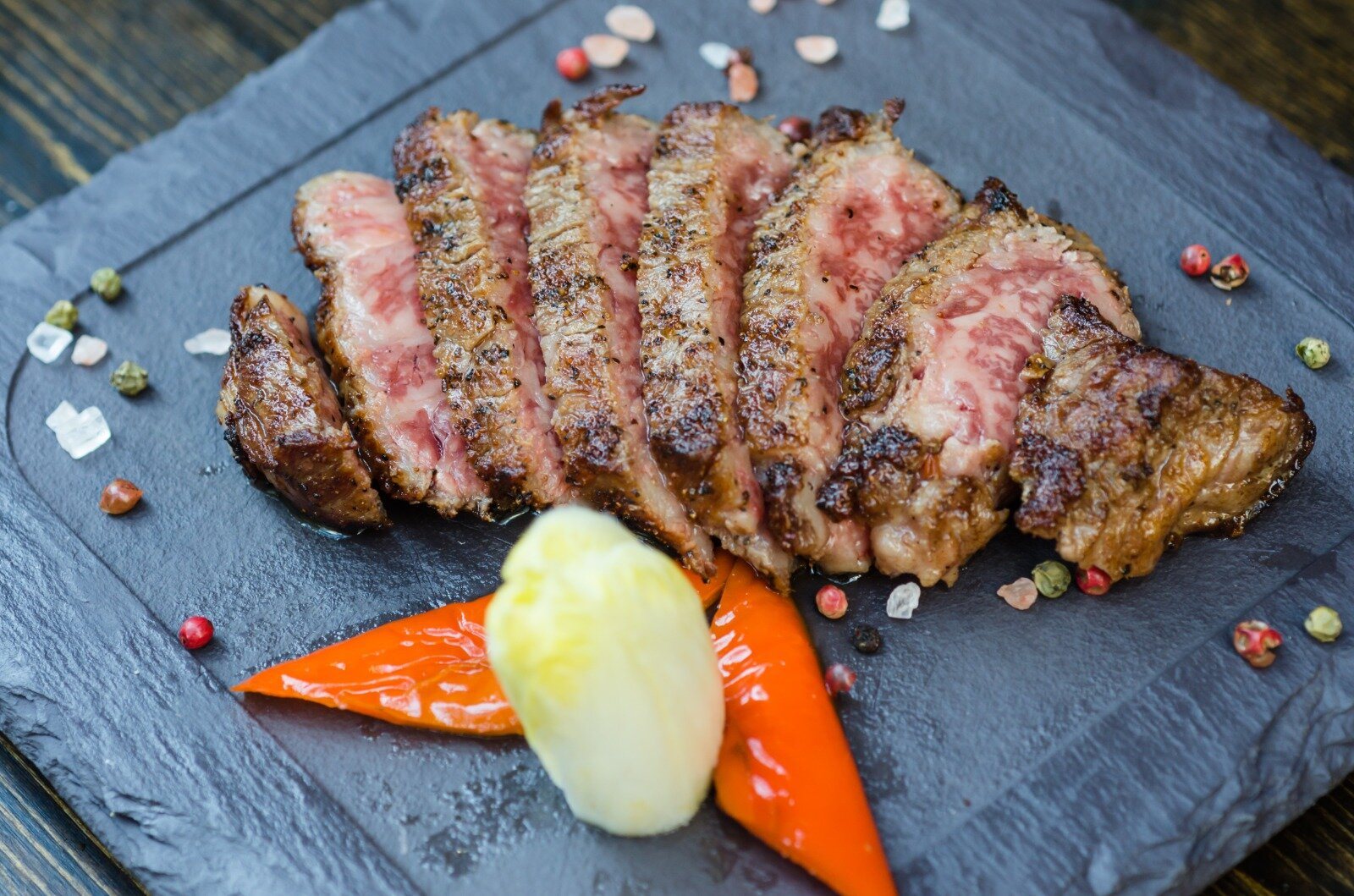
Wagyu Grading Explained: A5, BMS and What the Numbers Actually Mean
A5 is two separate scores stuck together, and the number most people care about isn't either of them. Here is how the scales actually work.
Read more →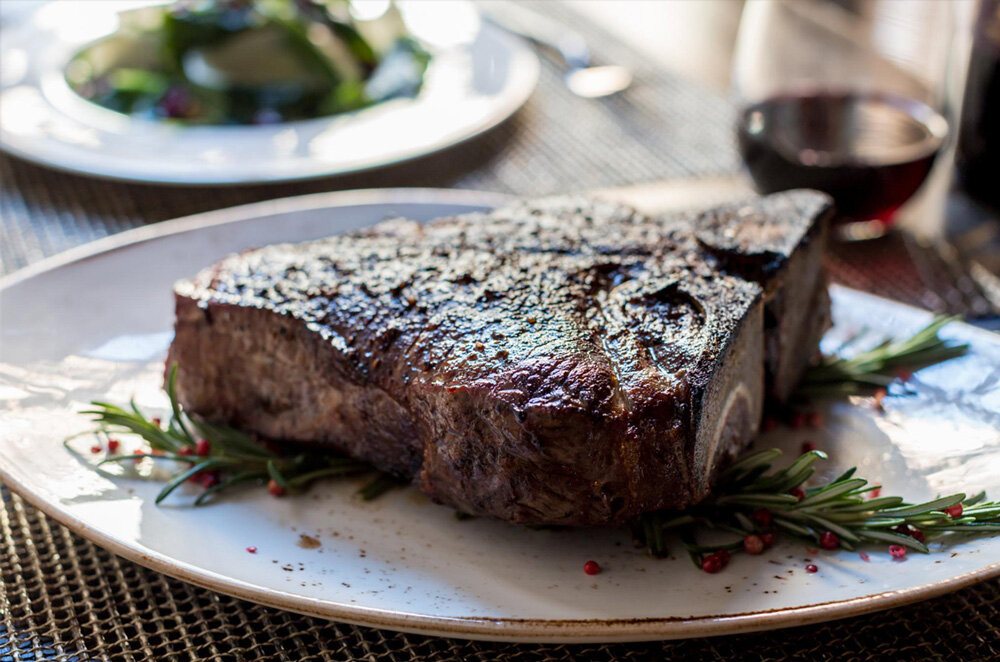
A Steakhouse Cuts Guide: Ribeye, Strip, Filet, Porterhouse and the Rest
Where each cut sits on the animal explains everything about how it eats. A practical guide to the whole menu.
Read more →