A Steakhouse Cuts Guide: Ribeye, Strip, Filet, Porterhouse and the Rest
Where each cut sits on the animal explains everything about how it eats. A practical guide to the whole menu.
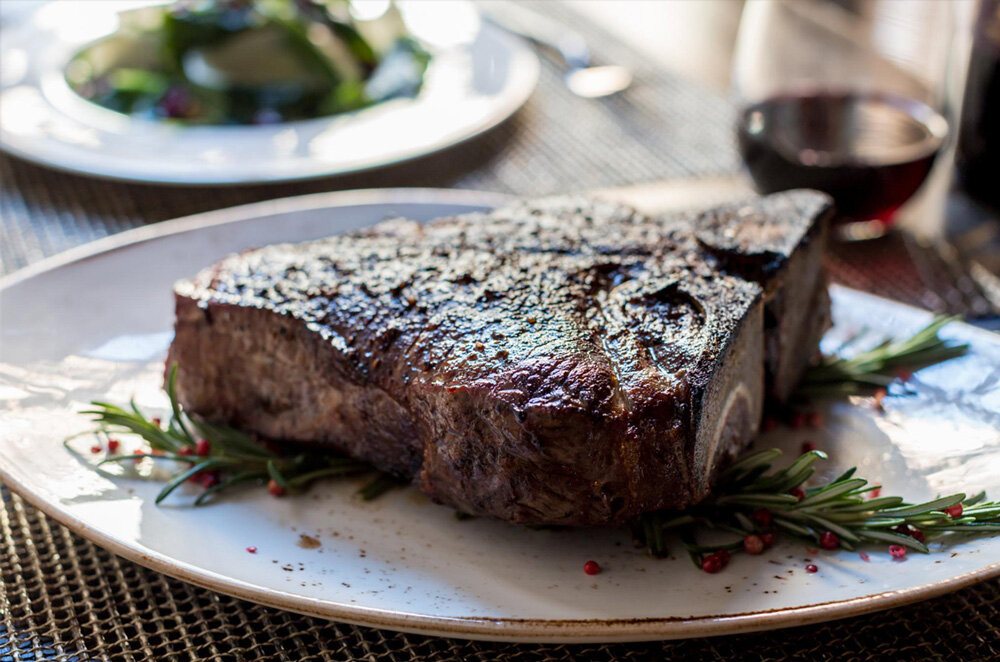
Almost everything you need to know about a steak follows from one fact: how hard the muscle worked. Muscles that carried weight or moved constantly develop connective tissue and deep flavour. Muscles that did very little stay tender and taste mild. Every cut on a steakhouse menu sits somewhere on that line, and once you can place it, the cooking method and the eating experience both follow.
The tender end
Filet mignon (tenderloin)
Where: A long muscle running along the inside of the spine, which does
essentially no work.
Eats: The most tender cut on the animal, fine-grained, mild, low in fat.
Cook: Rare to medium rare. It has little fat to render, so heat past medium dries
it quickly.
Suits: Diners who value texture over intensity. Often the choice of people who
find bigger cuts overwhelming.
The persistent criticism of filet — that it is expensive and tastes of little — is half fair. It is genuinely mild. It is also the only cut that delivers that particular yielding texture, and there is no substitute for it. At Japanese beef grades, tenderloin becomes fascinating: the marbling supplies the richness the muscle lacks, while the fine grain stays intact.
New York strip (striploin)
Where: The short loin, behind the ribs.
Eats: Firmer than filet with a distinct grain, a good fat cap and considerably
more beef flavour.
Cook: Medium rare. Render the fat cap on its edge first.
Suits: The best default order on most steakhouse menus — the balance point
between tenderness and flavour.
The rich end
Ribeye
Where: The rib section, from a lightly worked area with generous
intramuscular fat.
Eats: The richest common cut. Contains several distinct muscles, including the
spinalis — the crescent-shaped cap around the outside, which many people consider the single
best bite on the animal.
Cook: Medium rare, and give it time; the fat needs to render to be pleasant.
Suits: Anyone prioritising flavour and richness over lean texture.
Bone-in ribeye — sometimes sold as a cowboy or tomahawk steak — is the same cut with the rib bone attached. The bone changes cooking dynamics slightly and makes for a better-looking plate; whether it improves flavour is a debate with no settled answer.
Porterhouse and T-bone
Where: The short loin, cut across the spine, so each steak carries strip on one
side and tenderloin on the other.
Difference: A porterhouse is cut from further back and carries a substantially
larger tenderloin section. A T-bone has a smaller one.
Eats: Two cuts on one bone, which is the appeal and also the problem — the
two sides want different cooking times.
Cook: Position the tenderloin side away from the hottest part of the fire.
Suits: Sharing, and tables that cannot agree.
The flavour-first cuts
Skirt steak
Where: The diaphragm muscle.
Eats: Loose, open grain, very high in flavour, chewy if handled wrong.
Cook: Fast and hot, rare to medium rare, then sliced firmly across the grain.
Suits: Flavour hunters. In Wagyu, skirt is a genuinely underrated luxury cut
— the marbling solves the toughness while the open grain keeps the intensity.
Hanger, flat iron and bavette
The bistro cuts. All deliver considerable flavour at lower prices, all reward being cooked rare-to-medium-rare and sliced across the grain, and all appear on steakhouse menus far less often than they deserve to.
Short rib
Where: The rib plate, a hard-working area.
Eats: Deep and beefy, with substantial connective tissue.
Cook: Traditionally braised for hours. In high-marbled Wagyu, boneless short rib
is increasingly grilled quickly and sliced thin, which is a completely different and very good
dish.
How size changes the choice
Portion is not a separate question from cut; it determines which cut is right.
| Portion | Best suited to | Why |
|---|---|---|
| 2–4 oz | Japanese Wagyu, any cut | Richness makes larger portions impractical |
| 8 oz | Filet mignon | Lean enough to eat at volume |
| 12–16 oz | Strip, ribeye | The classic single-diner range |
| 20–32 oz | Bone-in ribeye, T-bone | Sharing territory |
| 40 oz + | Porterhouse | Built for two, sometimes three |
Ordering strategically for a table
The most enjoyable steakhouse orders are usually structured rather than parallel. Four people ordering four ribeyes have one experience four times. Instead:
- Order one large shared cut — porterhouse or bone-in ribeye — for the table.
- Add one small portion of something at the far end of the scale, such as a Wagyu or Kobe tasting, to be shared in single bites.
- Add one lean cut for anyone who prefers restraint.
- Order sides family style; steakhouse sides are almost always built for sharing.
You end up tasting four things instead of one, and it usually costs less than four individual mains.
Doneness, briefly
Fattier cuts need more heat to be enjoyable, because unrendered fat is unpleasant. Leaner cuts need less, because there is no fat to protect them. Practically: ribeye and strip at medium rare, filet at rare to medium rare, skirt at rare and sliced thin, and heavily marbled Wagyu barely cooked at all.
And whatever the cut — rest it. Five to ten minutes off the heat before cutting makes more difference to the final result than almost any decision made during cooking.
About this site. 212steakhousenyc.com is an independent editorial publication. It is not affiliated with any restaurant, supplier or certification body mentioned here, and it takes no bookings or enquiries. Details about any venue should be verified directly before you act on them. See our editorial policy.
More from the blog
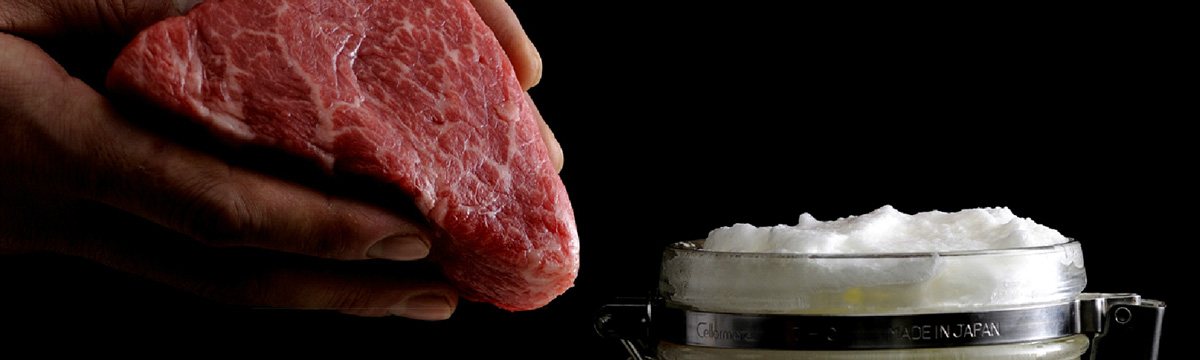
Authentic Kobe Beef vs “Kobe-Style”: How to Tell the Difference
Six requirements separate certified Kobe from the marketing term that borrowed its name. Here is what each one means and how to check.
Read more →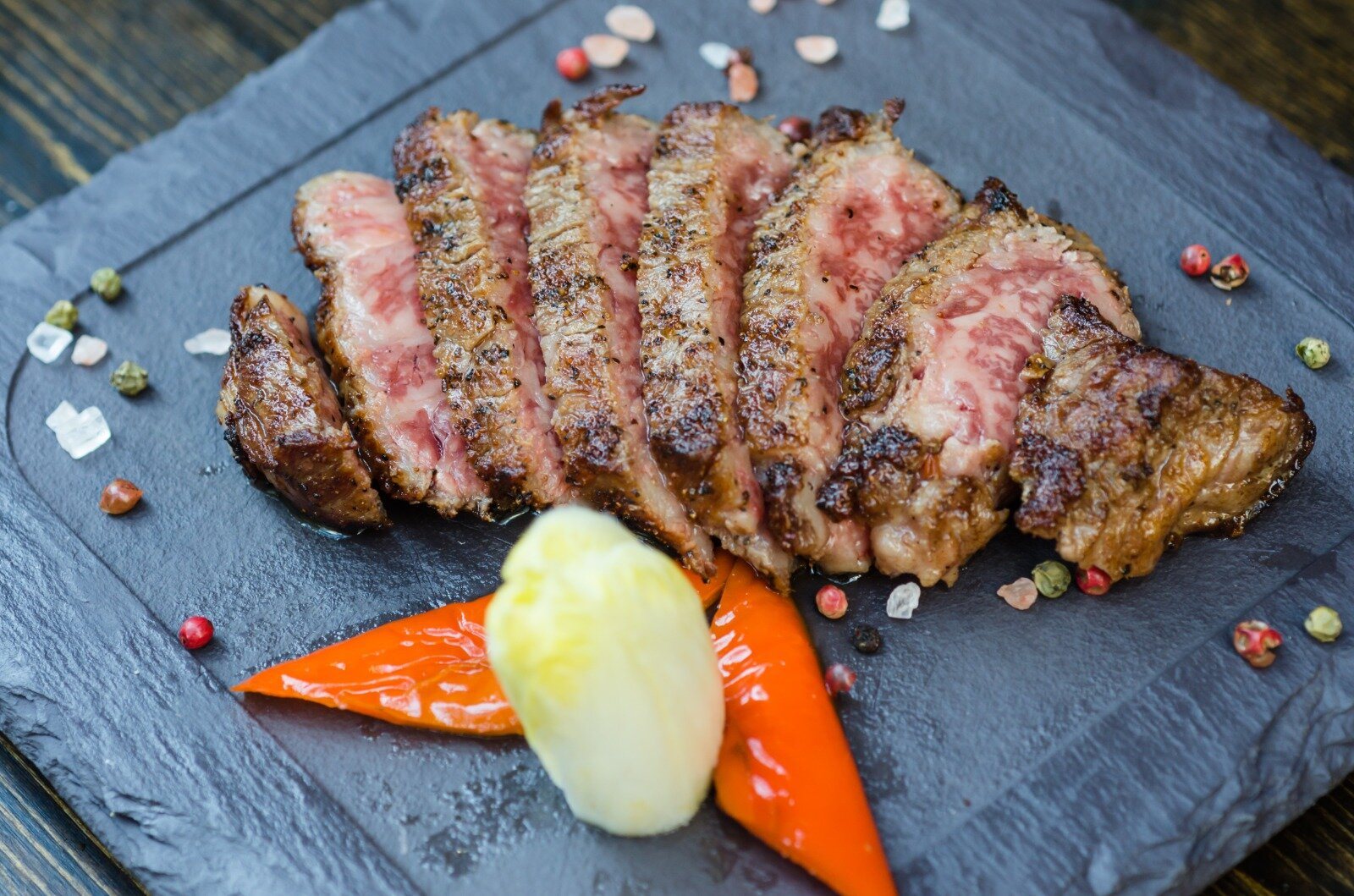
Wagyu Grading Explained: A5, BMS and What the Numbers Actually Mean
A5 is two separate scores stuck together, and the number most people care about isn't either of them. Here is how the scales actually work.
Read more →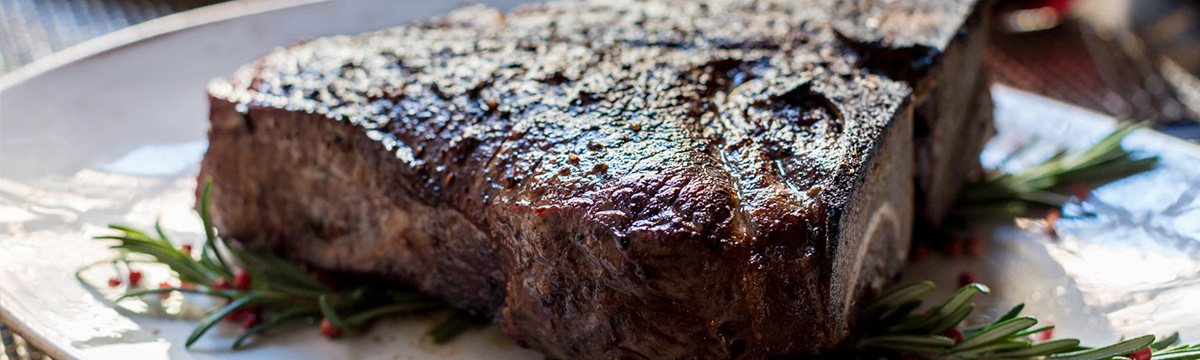
Dry-Aged vs Wet-Aged Beef: What Actually Changes
Two processes, two completely different results. What the weeks in a locker actually do to the meat.
Read more →