Halal Steak in New York: What the Certification Actually Involves
A Halal section on a fine-dining steakhouse menu is rarer than it should be. Here is what it takes to offer one.
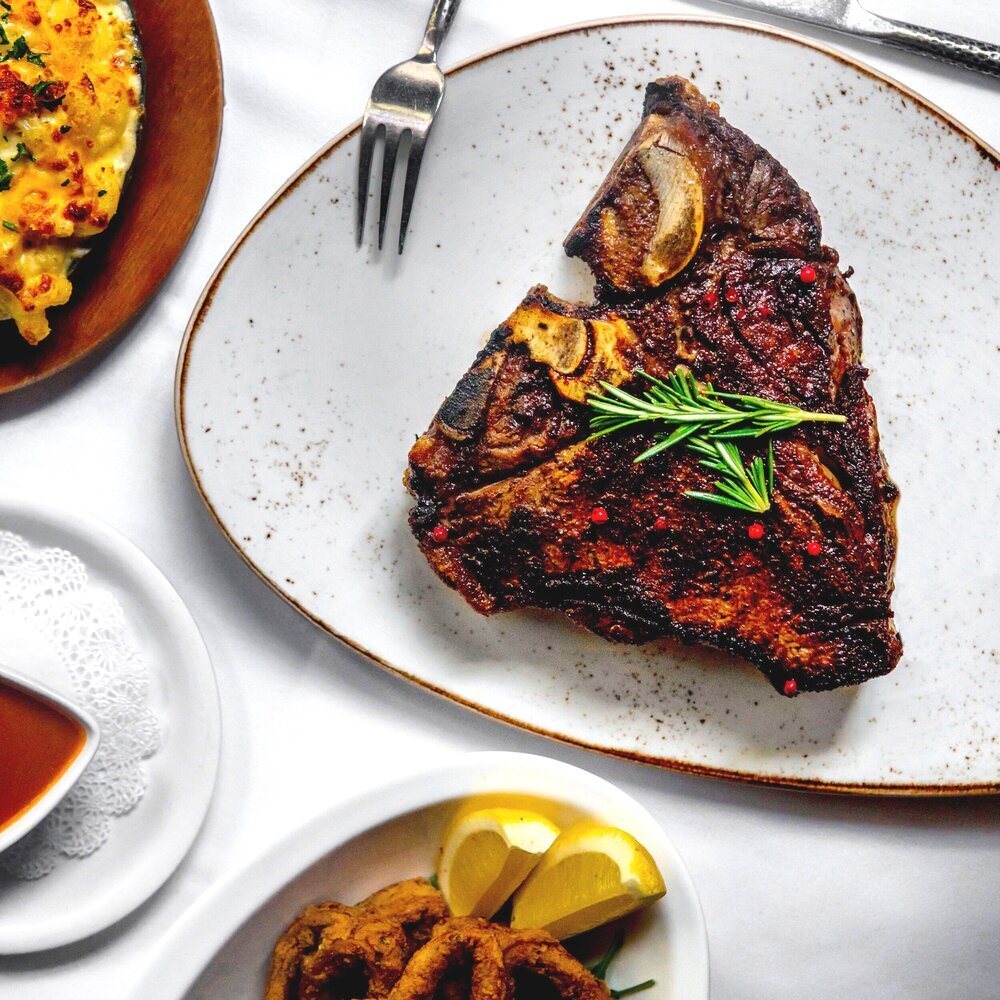
New York has an enormous Halal food economy, and almost all of it operates at the casual end of the market. At the fine-dining level, and particularly in steakhouses, Halal options thin out sharply — not because of demand, which is substantial, but because of supply-chain constraints that are worth understanding.
What Halal certification requires for beef
Halal, meaning permissible under Islamic law, imposes requirements across the whole chain rather than at a single point.
The animal
Cattle are permissible. The animal must be healthy and alive at the point of slaughter.
The slaughter
Dhabihah requires a swift incision severing the throat, windpipe and blood vessels with a sharp blade, performed by a Muslim who invokes the name of God. Blood must be allowed to drain. Practices around pre-slaughter stunning vary between certifying bodies, and this is one of the main points on which certifiers differ.
Processing and handling
Equipment, storage and transport must avoid cross-contact with non-Halal products, particularly pork. In practice this means either dedicated facilities or thorough documented segregation.
The kitchen
This is where most restaurants fall short. Certified beef cooked on a grill that also handles non-Halal product, or plated with a butter sauce made alongside a wine reduction, satisfies fewer diners than a restaurant might assume. Serious Halal service requires separated preparation, and the strictness required varies by the individual diner.
Why it is rare in fine dining
Grading and certification rarely overlap
The volume of beef that is simultaneously Halal-certified and graded Prime or better is small. Most Halal supply chains serve a market where grading is not the priority, and most premium graded beef moves through conventional processing. A restaurant wanting both is drawing from a narrow pool.
Cost and waste
Carrying a separate certified supply for a portion of the menu means separate storage, separate handling and a higher risk of waste. At the volumes a single restaurant deals in, that is a real cost.
Dry-ageing is harder
A dedicated Halal ageing programme requires a separate locker, which few kitchens have space for. This is why Halal steaks on premium menus are more often fresh than dry-aged.
Canada as a source
Canadian Prime is a common origin for Halal-certified premium beef in North America. Canada's grading system runs roughly parallel to the USDA scale, with Canada Prime at the top, and several Canadian processors operate certified Halal lines at that grade. A Manhattan steakhouse offering Halal Prime is, more often than not, sourcing from there.
What to ask before booking
If Halal matters to you, the menu section alone does not answer the question. These do:
- “Which body certifies your beef?” Standards differ, particularly on stunning. If you follow a specific certifier, ask by name.
- “Is the Halal beef cooked on separate equipment?” Some kitchens use a dedicated section of the grill; some use dedicated pans; some do neither.
- “Is alcohol used in the preparation?” Wine reductions, brandy in sauces and beer in batters are common in steakhouse kitchens and easy to overlook.
- “What about the sides?” Bacon in the greens, lard in the potatoes and pork stock in the soup are all standard steakhouse practice.
- “Can you confirm this for a group booking in advance?” For events, get it in writing when you sign.
Halal and Japanese beef
A question that comes up often: can Wagyu or Kobe be Halal? In principle yes, since the requirement concerns slaughter and handling rather than breed or origin. In practice, certified Halal Japanese beef is extremely scarce outside a small number of export programmes, and it is very unlikely to appear on a New York menu. If a restaurant offers both a Halal section and a Kobe section, they are almost certainly separate supply chains, and the Kobe is unlikely to be certified Halal. Ask rather than assume.
Why it matters commercially
In Midtown East specifically, the diplomatic population around the United Nations and the international visitor traffic make Halal capability a genuine commercial advantage rather than an accommodation. A steakhouse that can seat a delegation without anyone having to negotiate their own dinner has a real edge, and it is somewhat surprising that more of them do not pursue it.
About this site. 212steakhousenyc.com is an independent editorial publication. It is not affiliated with any restaurant, supplier or certification body mentioned here, and it takes no bookings or enquiries. Details about any venue should be verified directly before you act on them. See our editorial policy.
More from the blog
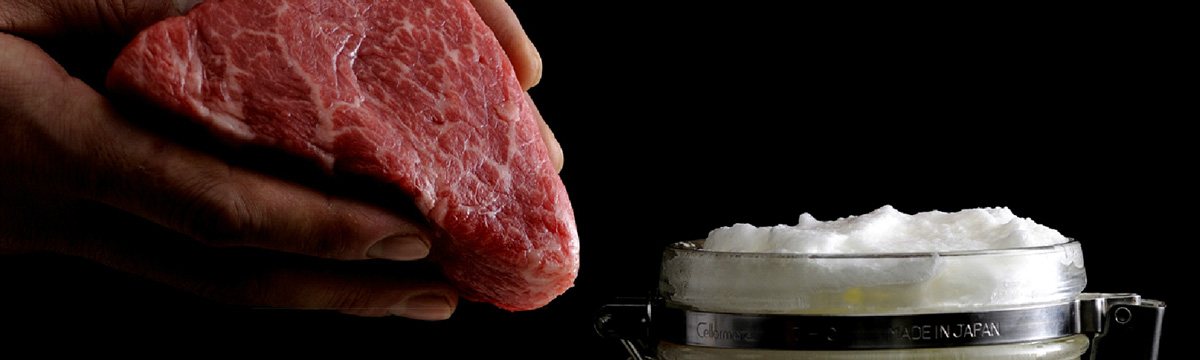
Authentic Kobe Beef vs “Kobe-Style”: How to Tell the Difference
Six requirements separate certified Kobe from the marketing term that borrowed its name. Here is what each one means and how to check.
Read more →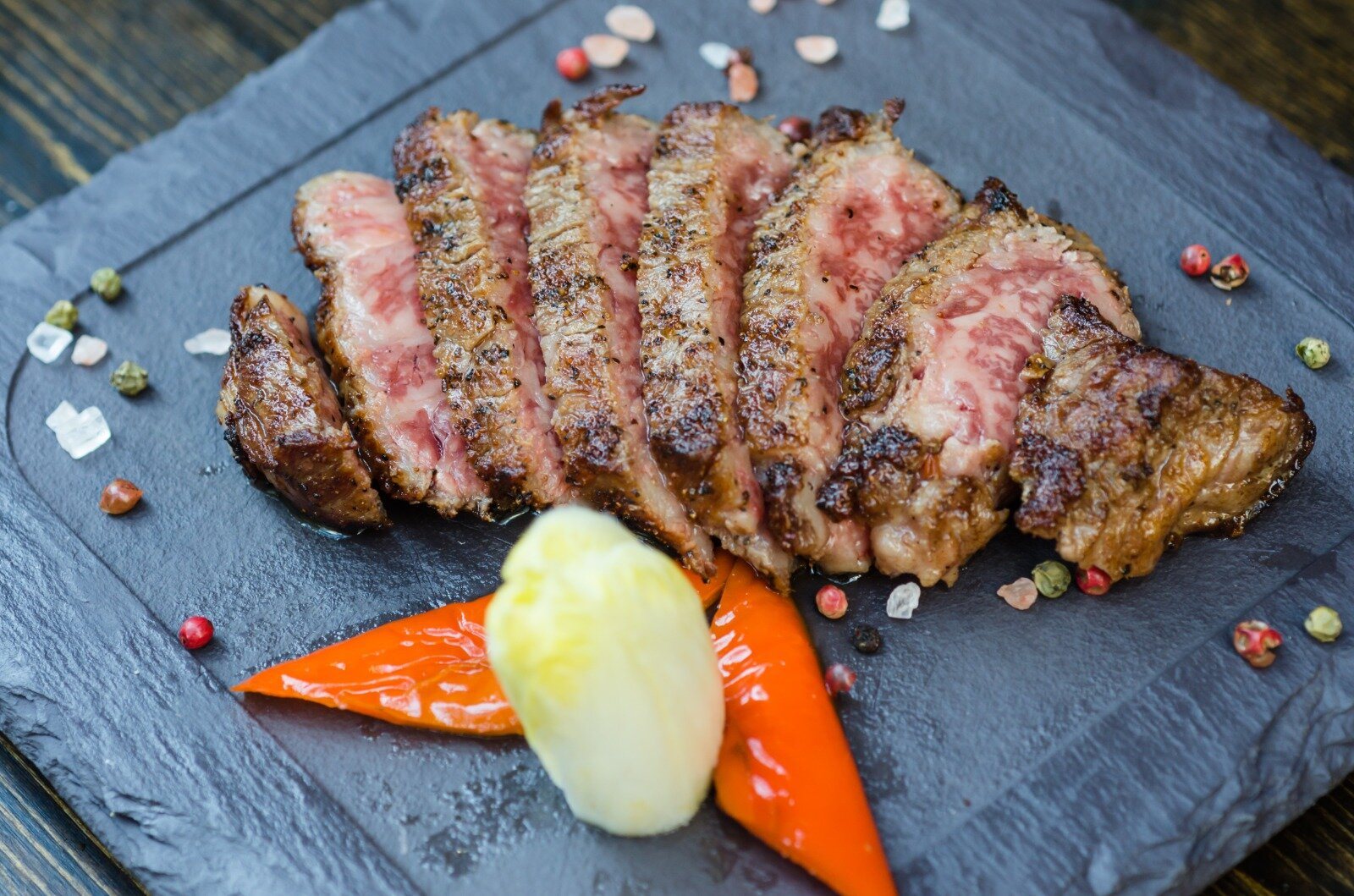
Wagyu Grading Explained: A5, BMS and What the Numbers Actually Mean
A5 is two separate scores stuck together, and the number most people care about isn't either of them. Here is how the scales actually work.
Read more →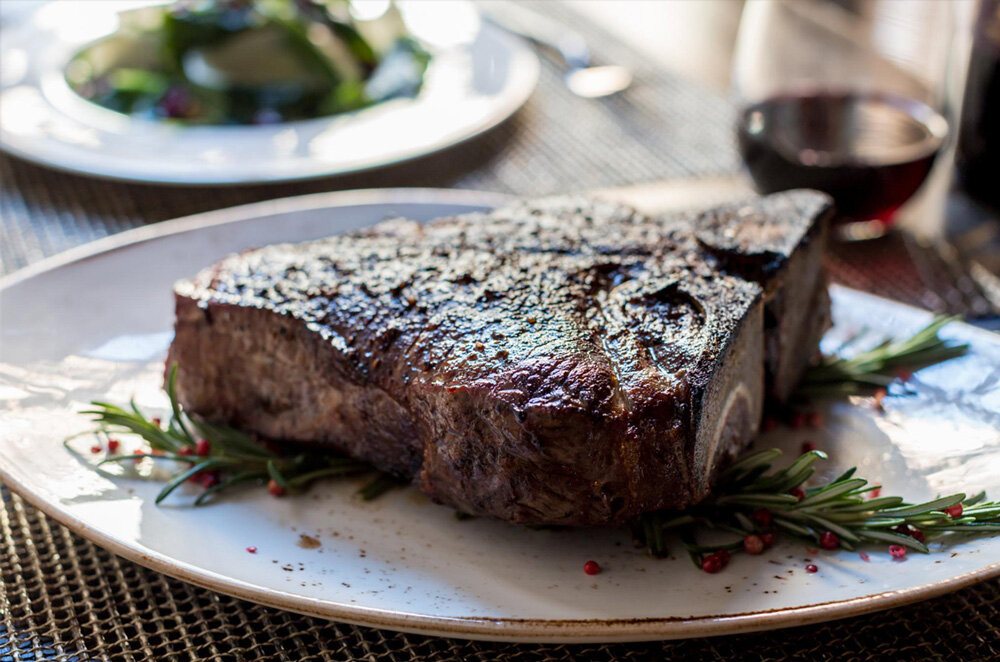
A Steakhouse Cuts Guide: Ribeye, Strip, Filet, Porterhouse and the Rest
Where each cut sits on the animal explains everything about how it eats. A practical guide to the whole menu.
Read more →