How to Order at a Steakhouse Without Overspending
The bill at a steakhouse is mostly decided before the steak arrives. Here is where it actually goes.
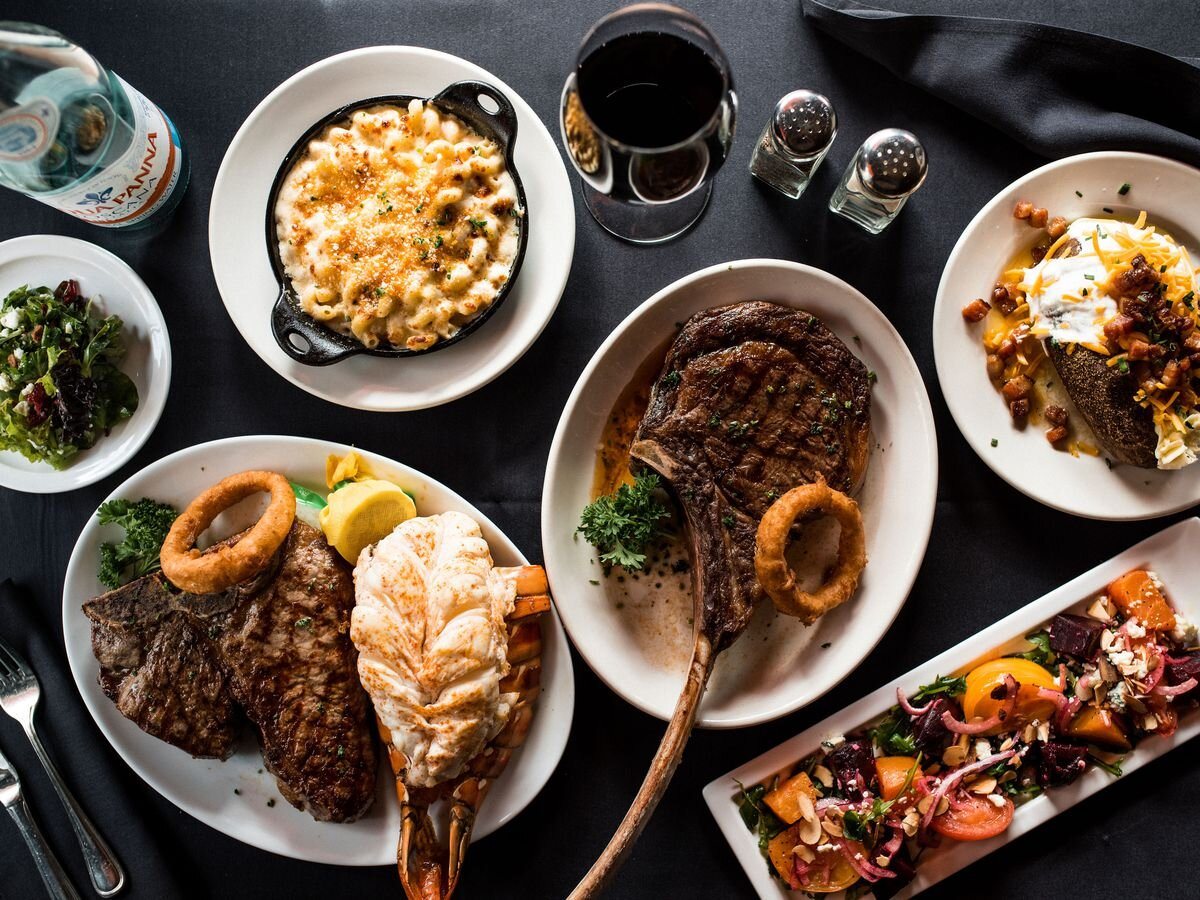
Steakhouse pricing is unusually transparent and unusually easy to misjudge at the same time. Everything is priced separately, nothing is bundled, and a table that orders instinctively can double its bill without ordering anything extravagant. None of what follows involves eating less well. It mostly involves ordering deliberately.
Understand the pricing structure first
An American steakhouse prices à la carte as a matter of tradition. The steak is the steak. Potatoes are separate. Vegetables are separate. Sauce is frequently separate. A sixty-dollar steak becomes a hundred-dollar main course by the time it has a side and a sauce beside it, and no one has done anything unusual.
Two consequences follow. First, comparing headline steak prices between restaurants tells you less than you think. Second, the sides are where a table quietly overspends — they are portioned for sharing, and most tables order one each anyway.
Where the value actually sits
Order one large cut and share it
Per ounce, large shared cuts are almost always the best value on the menu. A thirty-two-ounce bone-in ribeye or forty-ounce porterhouse for two typically costs less than two individual sixteen-ounce steaks, and eats better, because large cuts hold heat and cook more evenly.
Choose strip over ribeye if you want beef flavour
Strip is generally cheaper and delivers more beef character per bite. Ribeye's premium buys richness, not flavour intensity.
Look at the cuts nobody orders
Skirt, hanger, flat iron and bavette carry huge flavour at considerably lower prices. In Wagyu, skirt is one of the best-value luxury items on any menu.
Sides: two for four people, not four
Steakhouse sides are built for sharing and portioned accordingly. Two or three between four people is generally right. Order more later if you actually want them; you rarely will.
Skip the sauce
Well-cooked, well-sourced beef does not need it, and at the top of the market a sauce actively buries what you have paid for. If the steak needs sauce, the problem is upstream.
Where the bill inflates
Premium beef supplements
Japanese Wagyu and certified Kobe are usually priced by the ounce, and the per-ounce figure compounds fast. This is not a reason to avoid them — it is a reason to order them as a shared tasting course rather than as a main.
The wine list's midpoint trap
Steakhouse lists are often deep at the top and thin in the middle. The best value is frequently the second-cheapest bottle in a given region, and more often a bottle from a less fashionable appellation. Ask the sommelier for the best value under a stated figure — say the number plainly and without embarrassment. It is a routine question and a good sommelier enjoys it.
Bottled water
Small, avoidable, and it recurs all evening. Tap water in New York is excellent.
Ordering seafood at a beef restaurant
Sometimes the right call — some steakhouse raw bars are outstanding. But a whole lobster at a beef-focused kitchen frequently costs more than the beef and is less well executed. Judge by whether the kitchen looks invested in it.
How to structure a table of four
A concrete example that works almost anywhere:
- One raw bar item to share while you read the menu.
- One salad, split — something sharp to cut the richness ahead.
- One large shared steak: porterhouse or bone-in ribeye.
- One small premium portion — a Wagyu or Kobe tasting — divided into single bites.
- One lean cut, such as filet, for anyone who wants restraint.
- Three sides for the table.
- One dessert with extra spoons.
Everyone tastes six or seven things instead of one, and it typically lands below four individual three-course orders.
Ordering premium beef sensibly
If certified Kobe or high-BMS Wagyu is on the menu and you want to try it, the rules are simple.
- Order the smallest available portion. Two to three ounces is genuinely enough. Past that, the richness stops being a pleasure.
- Order it early. It works far better as a first course than after a large steak.
- Share it. Three ounces divided four ways gives everyone a real taste of something most people never eat.
- Order a tasting flight if offered. Comparing cuts side by side tells you more than a larger portion of one.
Timing and the practical stuff
Go earlier or later
Midtown steakhouses fill between six and eight on weekday evenings with business dinners. Arriving before or after gets you better service and, at some venues, a prix fixe that vanishes at peak hours.
Ask about the off-menu prix fixe
Many steakhouses run a lunch or pre-theatre fixed menu that is not advertised prominently. It is frequently the best value the kitchen offers.
Say what you want from doneness
Ask for it by description rather than by name — “warm red centre” travels better than “medium rare”, which means different things in different kitchens.
Send it back if it is wrong
At this price point, a steak cooked past what you asked for should be replaced without discussion. Say it early, politely, and without apologising.
About this site. 212steakhousenyc.com is an independent editorial publication. It is not affiliated with any restaurant, supplier or certification body mentioned here, and it takes no bookings or enquiries. Details about any venue should be verified directly before you act on them. See our editorial policy.
More from the blog
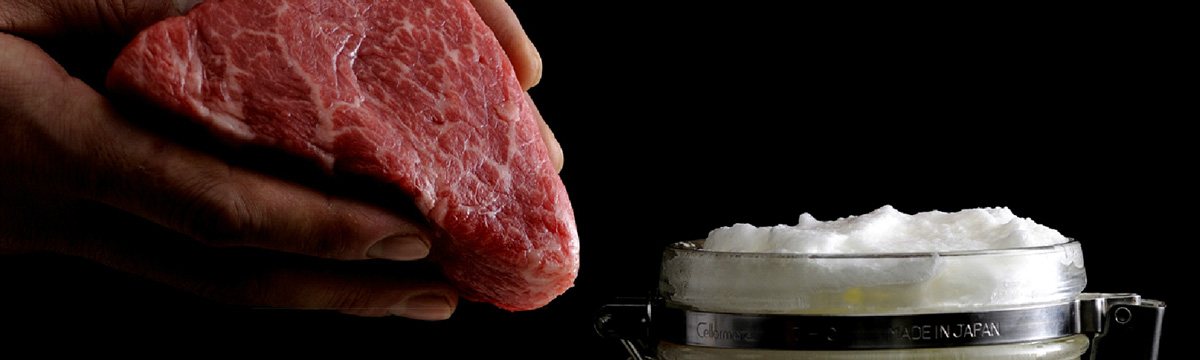
Authentic Kobe Beef vs “Kobe-Style”: How to Tell the Difference
Six requirements separate certified Kobe from the marketing term that borrowed its name. Here is what each one means and how to check.
Read more →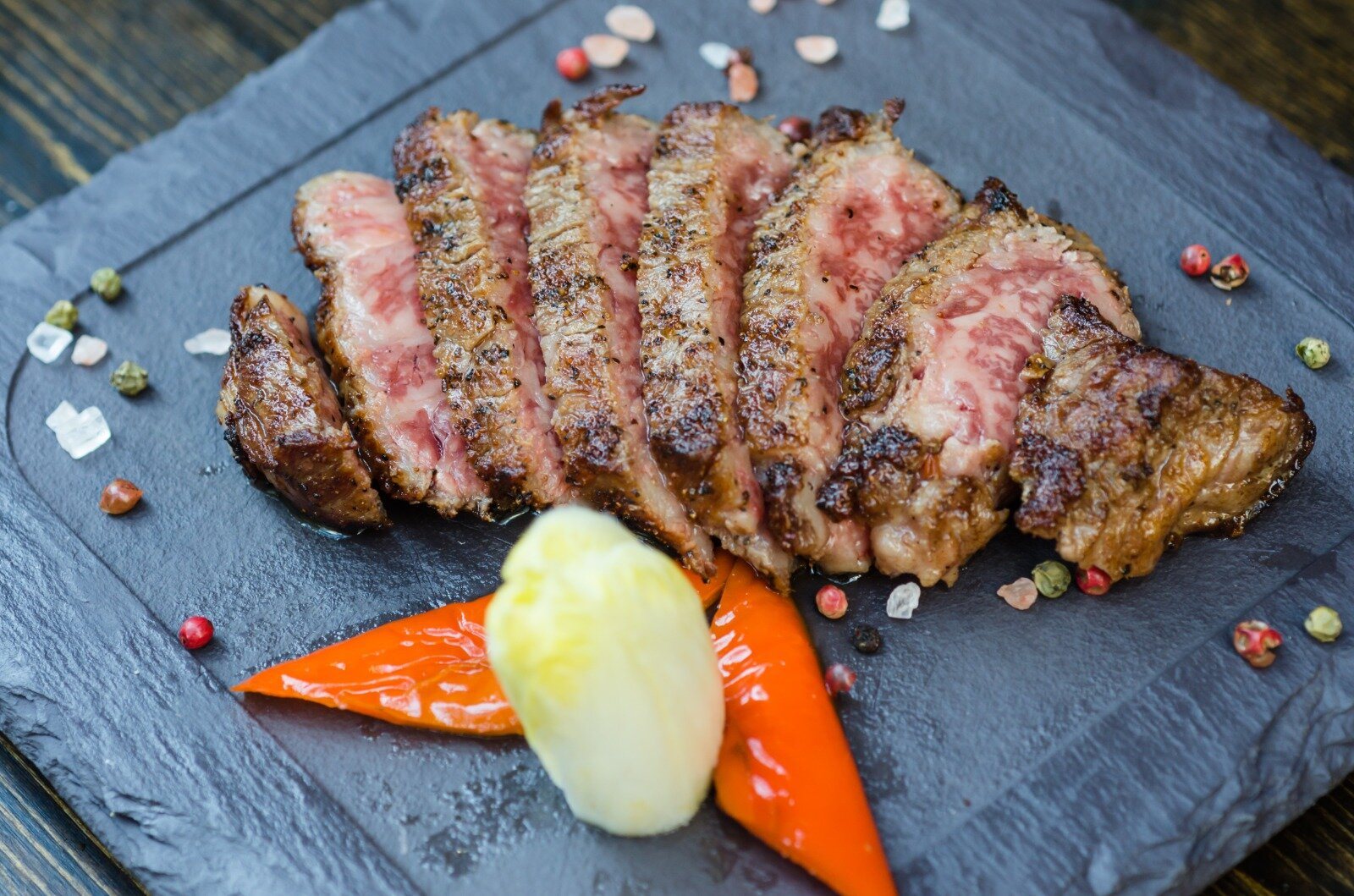
Wagyu Grading Explained: A5, BMS and What the Numbers Actually Mean
A5 is two separate scores stuck together, and the number most people care about isn't either of them. Here is how the scales actually work.
Read more →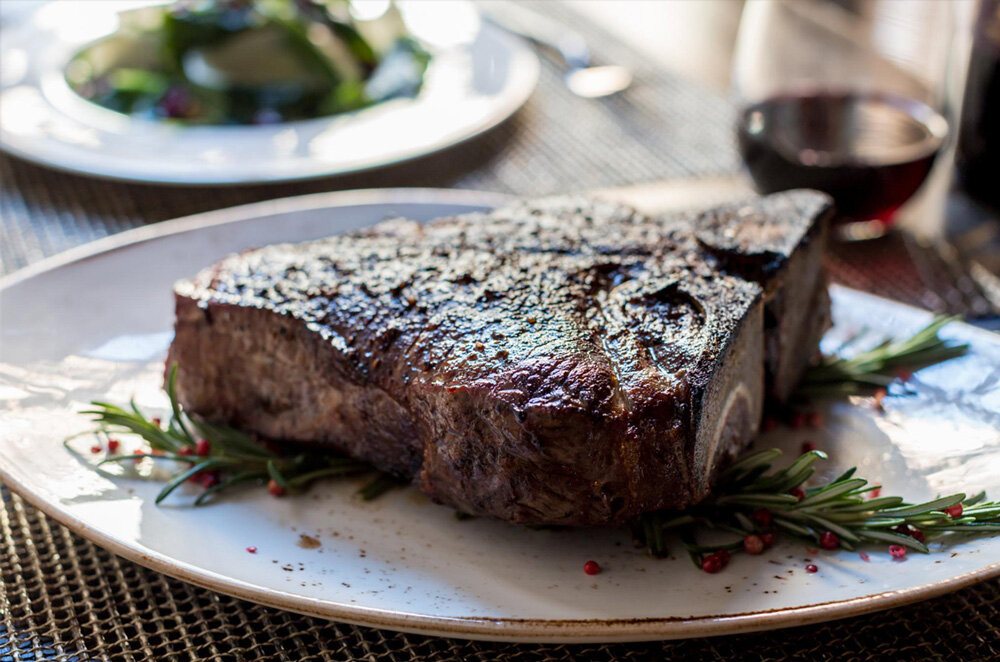
A Steakhouse Cuts Guide: Ribeye, Strip, Filet, Porterhouse and the Rest
Where each cut sits on the animal explains everything about how it eats. A practical guide to the whole menu.
Read more →