Planning a Private Dinner in Manhattan: A Practical Checklist
Most private dining budget overruns come from four line items. Here is how to find them before you sign.
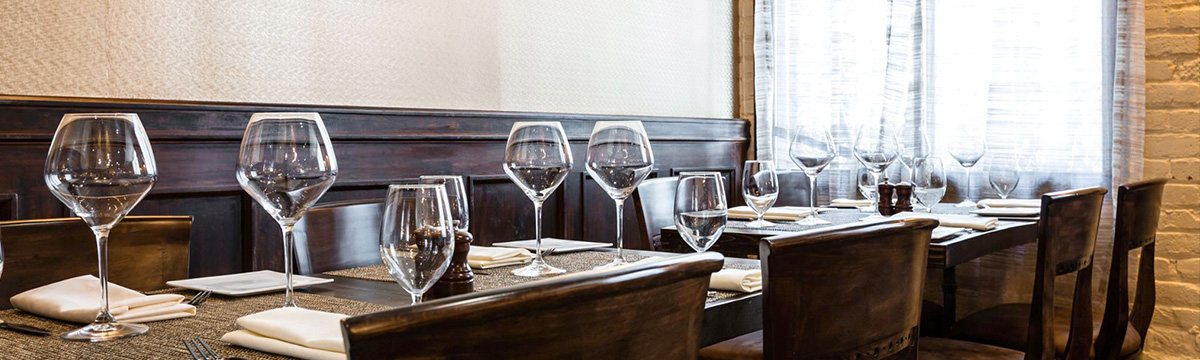
Private dining in Manhattan is straightforward to arrange and remarkably easy to misbudget. The quoted per-head figure is almost never what you end up paying, and the gap is usually not the venue's doing — it is a predictable result of how these contracts are structured. Knowing the structure removes most of the risk.
Start with the three numbers that matter
Before you look at menus, establish these.
1. The food and beverage minimum
The amount you commit to spend on food and drink. Crucially: ask whether tax and service count toward it. Usually they do not, which means a stated minimum can sit twenty-five to thirty per cent below your real floor.
2. The room hire fee
Separate from the minimum at many venues, and sometimes waived above a spending threshold. Ask explicitly whether both apply.
3. The guaranteed guest count
The number you commit to, typically confirmed three to seven days ahead. You pay for that number whether or not everyone arrives. Guarantee conservatively; most venues will accommodate a few extra guests, and almost none will refund for absentees.
The four line items that cause overruns
The bar, by a wide margin
Open bar is priced per person per hour. Four hours instead of three, for sixty guests, is a twenty-five per cent increase on the largest variable line on the invoice. Options that genuinely help:
- Open bar for the reception hour only, then wine and beer with dinner.
- A premium package rather than top shelf, with two or three specific bottles available on consumption.
- A hard end time for the bar, thirty minutes before the event ends.
Reception extension
Extending the drinks reception lengthens both the canapé charge and the bar charge simultaneously. It is the most expensive half hour in event planning.
Premium beef supplements
At a steakhouse, confirm precisely which cuts the package tier includes and which are charged as supplements. Where Japanese beef is involved, per-ounce supplements can move the per-head figure dramatically. Ask for a per-head total with the supplement included before committing.
Service charge versus gratuity
A twenty to twenty-two per cent service charge is standard, and on a substantial invoice it is a large number. Ask whether it is distributed as gratuity or retained as an administrative fee, and whether additional tipping is expected. Both practices exist and the answer affects your total.
The full question list
Money
- What is the minimum, and does it include tax and service?
- Is there a separate room fee? Is it waived at any threshold?
- What is the deposit, and what is the refund schedule?
- What happens if we fall below the minimum — a shortfall charge, or can we spend it on wine to take away?
- What are overtime charges past the contracted end time?
Food
- Which tier are we being quoted, and what changes at the tier above?
- Are any items supplemented? At what rate?
- How are dietary requirements handled — within the package or at extra cost?
- Can guests choose on the night, or do we submit selections in advance?
- Are sides served family style, and how many per table?
Logistics
- Is the space genuinely private, or partitioned from the main room?
- What is the seated capacity versus the standing capacity?
- What audio-visual equipment exists, and is there a screen or sound system?
- Are there restrictions on amplified music, and is there a curfew?
- When can we access the room to set up? Is there a setup fee?
- Is there a coat check, and a separate entrance?
- Can we bring a cake, and is there a cutting fee?
- What is the corkage rate if we bring wine?
The contract
- Get every verbal agreement written into it. All of them.
- Check the cancellation terms, including force majeure.
- Check whether the venue can relocate your event to a different room.
- Check who is liable for damage.
Timing your booking
Venues price by demand, and Manhattan demand is highly predictable.
| Period | Availability | Terms |
|---|---|---|
| September–early December | Very tight | Worst; corporate season peaks |
| January–February | Open | Best of the year |
| July–August | Open | Very good; the city empties |
| Sunday–Tuesday, any month | Good | Consistently better than Thursday or Friday |
A note on restaurant events versus event spaces
A restaurant private room is usually the better choice below roughly eighty guests. The room is already furnished, the kitchen cooks that food every night, and the staff run service constantly. A dedicated event space wins at larger scale and when you need control over layout, timing and production — but you will rent everything and the catering will be produced for volume rather than cooked to order. For a dinner where the food is the point, the restaurant wins comfortably.
About this site. 212steakhousenyc.com is an independent editorial publication. It is not affiliated with any restaurant, supplier or certification body mentioned here, and it takes no bookings or enquiries. Details about any venue should be verified directly before you act on them. See our editorial policy.
More from the blog

Authentic Kobe Beef vs “Kobe-Style”: How to Tell the Difference
Six requirements separate certified Kobe from the marketing term that borrowed its name. Here is what each one means and how to check.
Read more →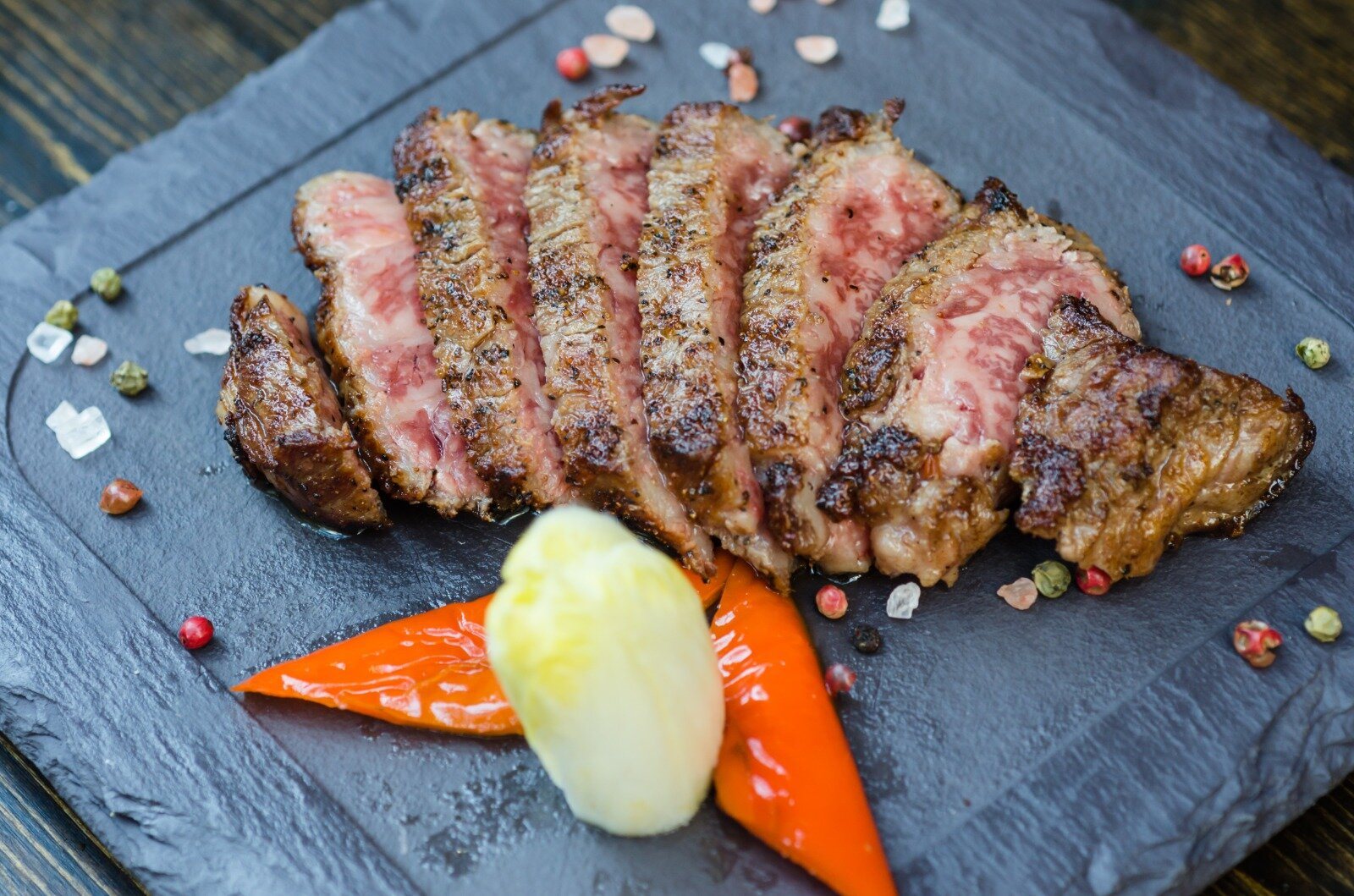
Wagyu Grading Explained: A5, BMS and What the Numbers Actually Mean
A5 is two separate scores stuck together, and the number most people care about isn't either of them. Here is how the scales actually work.
Read more →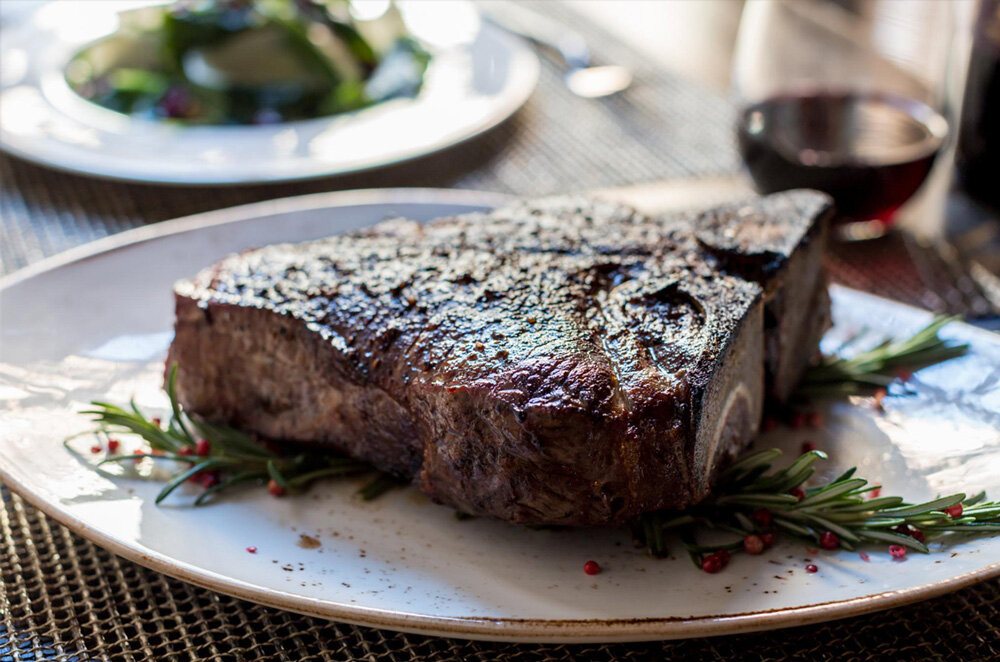
A Steakhouse Cuts Guide: Ribeye, Strip, Filet, Porterhouse and the Rest
Where each cut sits on the animal explains everything about how it eats. A practical guide to the whole menu.
Read more →