Why Steakhouses Have Raw Bars, and How to Order From One
The shellfish course before a steak is not decoration. It is doing specific work, and it is also the best test of a kitchen.
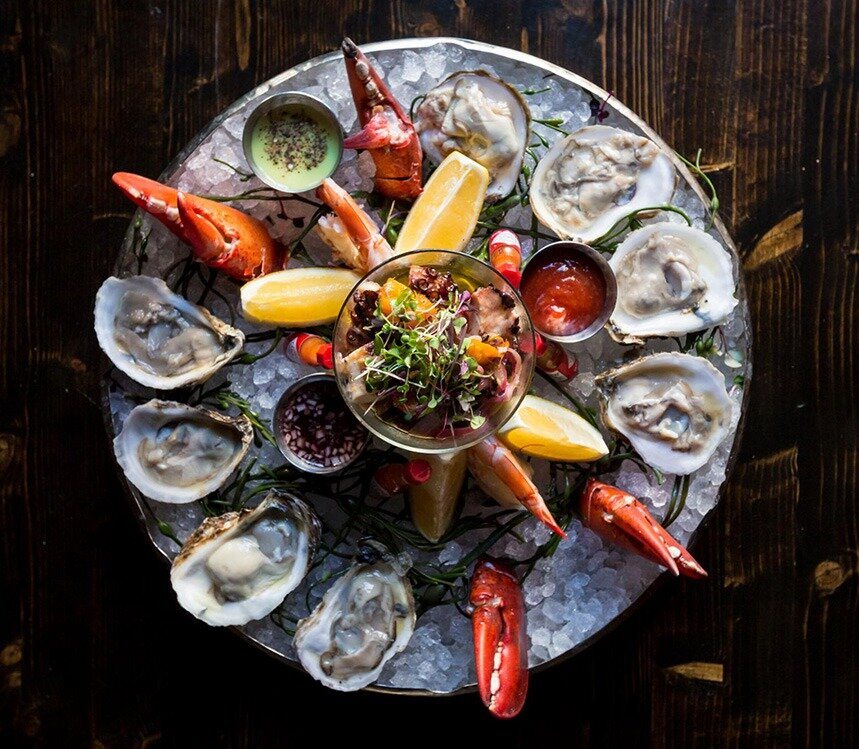
It looks like an odd pairing on paper. A restaurant built around long-cooked, deeply savoury red meat opens its menu with cold raw shellfish. Yet almost every serious steakhouse in America does it, and the ones that do it well are almost always better restaurants overall.
Where the tradition comes from
New York's oyster culture predates its steakhouse culture by a long way. The city sat on some of the most productive oyster beds on the eastern seaboard, and through the nineteenth century oysters were a staple food rather than a luxury — cheap, ubiquitous, sold from cellars and street carts across Manhattan. Oyster saloons were a genuine mass institution.
Pollution and overharvesting collapsed the local beds by the early twentieth century, and oysters moved sharply upmarket. What survived was the format: a counter, ice, shellfish, and a knife. When the chophouses expanded into full restaurants, absorbing the oyster bar was the obvious move — it already existed in the same buildings, served the same customers, and needed no kitchen.
What the course is actually doing
Beyond history, it earns its place for three practical reasons.
Palate preparation
Salinity and acidity wake the palate up and clear it. Starting a rich meal with something briny and cold makes the beef read as more distinct when it arrives.
Pacing
Steaks take time. A raw bar course is ready immediately, requires no cooking, and fills the gap between sitting down and the arrival of the main event without weighing anyone down.
It is the honest test of a kitchen
Raw shellfish cannot be rescued. There is no cooking to hide behind, no sauce to correct with. Sourcing, handling, temperature and timing are all directly on the plate. A steakhouse with an excellent raw bar is telling you something reliable about the rest of its operation.
How to judge a raw bar
- Are the oysters named? A good bar lists them by appellation and origin. “East coast oysters” on a menu at this price is a warning.
- Is the shell liquor intact? Oysters should arrive with their natural liquor, not rinsed away. Rinsing usually means they were shucked well in advance.
- How cold is the ice? Shellfish should sit on plentiful, properly cold ice, not melting slush.
- Is the mignonette freshly made? Shallots should be crisp, not sitting grey in old vinegar.
- Does the shrimp taste of shrimp? Standard-issue shrimp cocktail with rubbery texture and heavy cocktail sauce is doing the same job as the parsley garnish.
Ordering, practically
Oysters
Half a dozen between two people is a sensible opener. If a range is offered, order across it — a briny cold-water oyster and a sweeter, plumper one taste genuinely different side by side, which is much of the pleasure. Prince Edward Island oysters, a common East Coast listing, sit towards the clean and briny end.
Eat them with lemon or a little mignonette, or with nothing at all. Heavy cocktail sauce obliterates the differences you are paying for.
Shrimp cocktail
The most ordered and least interesting item on most raw bars, unless the kitchen is treating it seriously. Wild shrimp, poached properly and served genuinely cold, is a good dish; the default version is not.
Seafood platters
A tower for two — typically half a lobster, oysters and something like octopus — is the right order for a table of three or four who want to share a substantial opening course. For two people who are also ordering a large steak, it is generally too much food.
Ceviche and crudo
Increasingly common on steakhouse menus and usually the most interesting thing in the section. A black seabass ceviche with leche de tigre, citrus and chilli is doing precise work before a rich main: acidity, heat and cold, with nothing heavy attached. If a steakhouse has one on the menu, it is a signal the kitchen is thinking beyond convention.
Grilled octopus
Not raw, but it lives in the same section. It is a genuinely difficult dish — the line between tender and rubbery is narrow — and one of the better tests of a kitchen's technical ability.
What to drink with it
Almost anything crisp, dry and high in acidity. Muscadet is the classic and remains underpriced. Chablis, dry Riesling, Albariño, Picpoul and non-vintage Champagne all work. Avoid oak, avoid anything soft, and avoid starting on the red you have ordered for the steak — a tannic red against a raw oyster is genuinely unpleasant, and the metallic clash is one of the few pairing rules that is not a matter of taste.
How much to order
Given what follows, restraint pays. Half a dozen oysters and one shared plate for a table of four is about right. The raw bar is a prologue. Treated as a first act, it will make the main course harder to enjoy, and at a steakhouse that is an expensive mistake.
About this site. 212steakhousenyc.com is an independent editorial publication. It is not affiliated with any restaurant, supplier or certification body mentioned here, and it takes no bookings or enquiries. Details about any venue should be verified directly before you act on them. See our editorial policy.
More from the blog
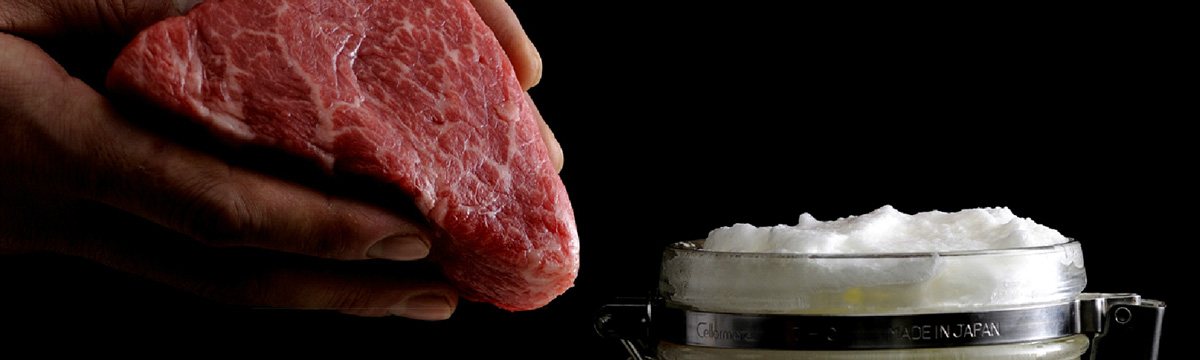
Authentic Kobe Beef vs “Kobe-Style”: How to Tell the Difference
Six requirements separate certified Kobe from the marketing term that borrowed its name. Here is what each one means and how to check.
Read more →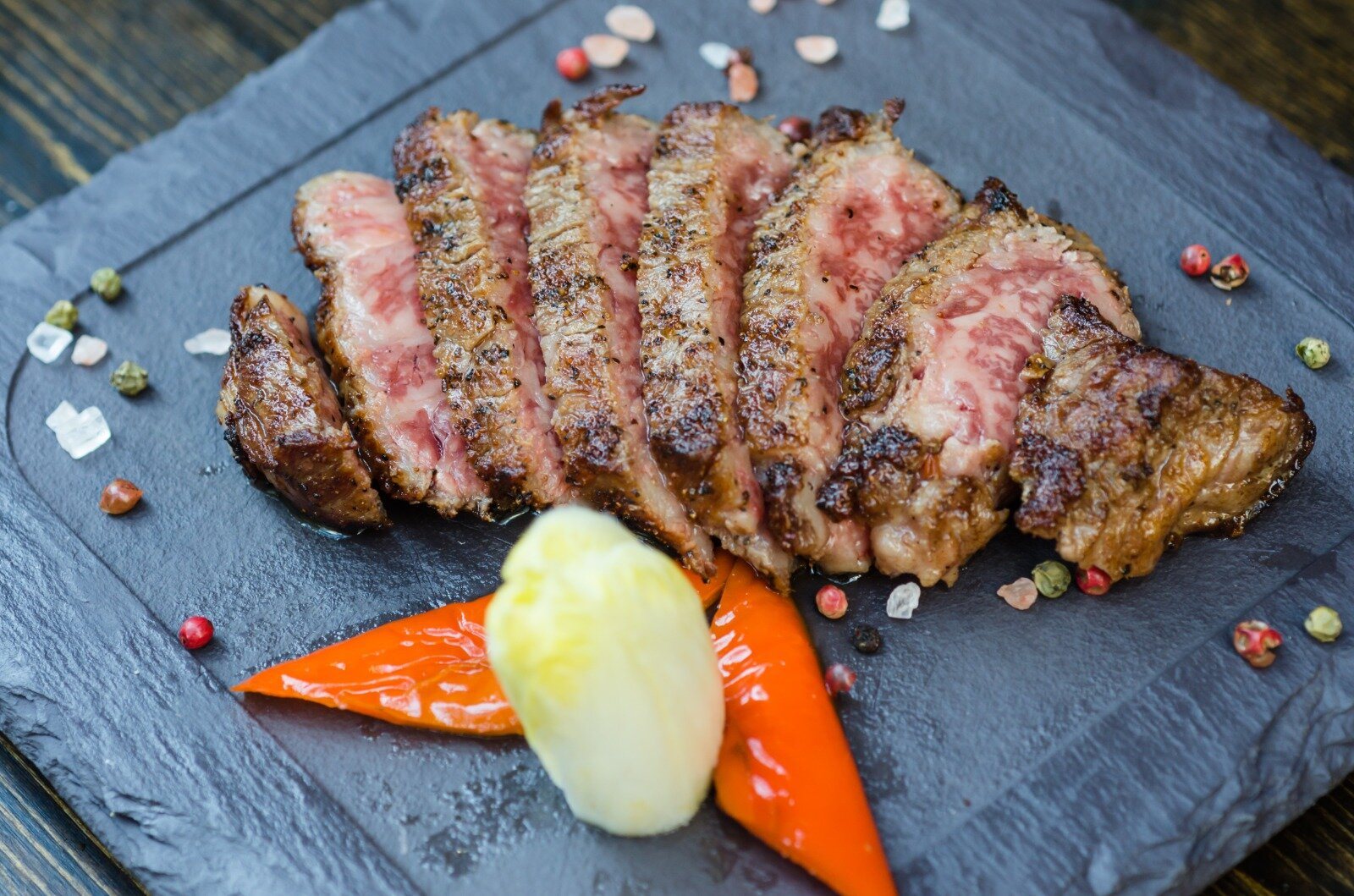
Wagyu Grading Explained: A5, BMS and What the Numbers Actually Mean
A5 is two separate scores stuck together, and the number most people care about isn't either of them. Here is how the scales actually work.
Read more →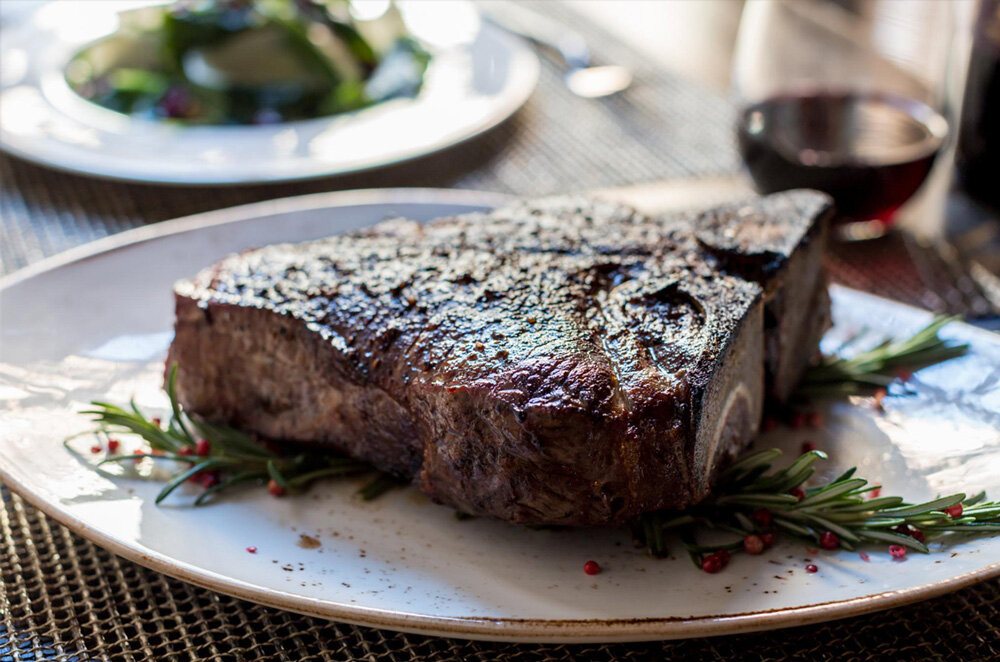
A Steakhouse Cuts Guide: Ribeye, Strip, Filet, Porterhouse and the Rest
Where each cut sits on the animal explains everything about how it eats. A practical guide to the whole menu.
Read more →