Steakhouse Sides: Why They Are Shared, and Which Ones Earn Their Place
Sides are the most over-ordered and least considered part of a steakhouse meal. They are also doing real work.
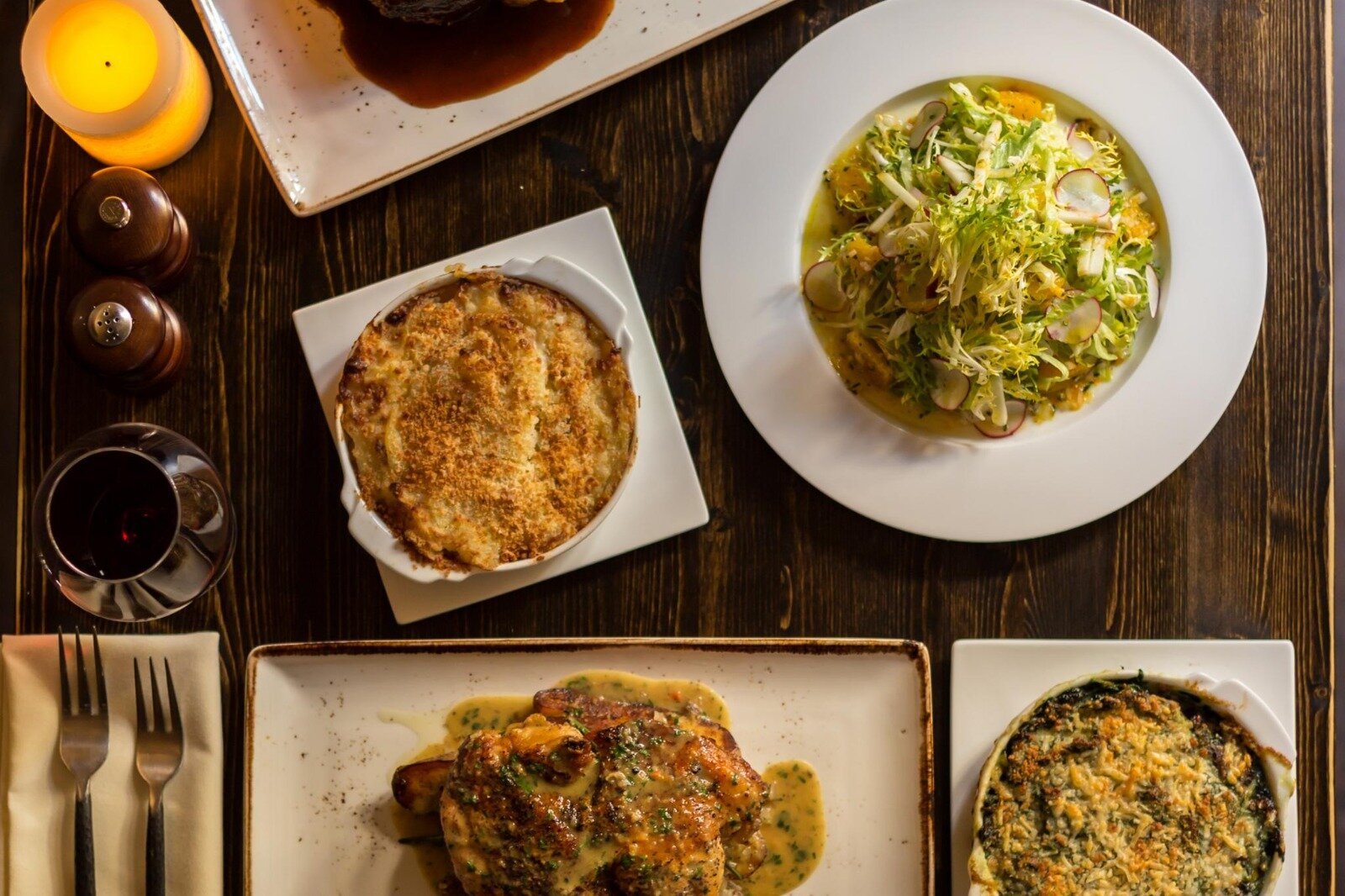
The side dish is where steakhouse convention is most rigid and least examined. Creamed spinach, potatoes in some form, mushrooms, a green vegetable. Every room serves roughly the same set, most tables order too many of them, and almost nobody thinks about what they are for.
Why they are family style
The shared side is inherited directly from the German-American and mid-century American table, where dishes went to the centre and everyone served themselves. It survived in steakhouses for a practical reason: the main course is a single large piece of protein, often shared, and individually plated sides would make the table unworkable.
The consequence people consistently miss is that portions are scaled for a table, not a person. A steakhouse side is typically built to serve two to three. Four people ordering four sides are ordering roughly ten portions of vegetables and starch alongside their beef, which is why the last third of a steakhouse meal so often goes uneaten and unenjoyed.
What each classic side is actually doing
Creamed spinach
The canonical steakhouse side, and the one most often made badly. Done properly — spinach squeezed dry, a béchamel with nutmeg, and enough acidity to keep it from cloying — it supplies richness and a vegetable note simultaneously. Done badly it is wallpaper paste. It is a reasonable proxy for how much the kitchen cares.
Potatoes, in their various forms
- Twice-baked: Scooped, enriched, returned to the skin and browned. Substantial and satisfying; the version that most rewards good technique.
- Gratin or dauphinoise: Cream, thin slices, long slow cooking. The richest option and the one most likely to compete with the beef rather than support it.
- Hash browns: Crisp surface, soft interior. Texturally the most useful potato beside a steak.
- Purée: Restrained and useful, particularly if the plate has a pan sauce.
- Chips or fries: Reliable and slightly unambitious, but they solve the texture problem better than anything else.
Mushrooms
Earthy and savoury, sharing a flavour vocabulary with aged beef. Wild mushrooms with garlic and parsley add depth; button mushrooms in cream mostly add cream.
Asparagus and green vegetables
Doing the most important job on the table — supplying something green, slightly bitter and not enriched. Charred broccolini, blistered green beans, or asparagus with lemon all provide the relief that a rich meal needs. Skip this and the meal becomes monotonous by the halfway point.
Onion rings
Sweetness and crunch. A genuinely good foil to beef, and usually the first side to disappear.
Mac and cheese
Increasingly standard, and honestly the most questionable. It is starch, fat and dairy against a main course of fat and protein, and it competes rather than contrasts. Enjoyable in isolation; rarely the right choice next to a ribeye.
How to build a side order properly
Think in terms of contrast rather than accumulation. For a table of four sharing a large steak, three sides covering three different jobs:
- One starch — potatoes in whatever form the kitchen does best.
- One green, unenriched — charred, roasted or dressed with acid. Non-negotiable.
- One savoury or textural — mushrooms, onion rings, or a creamed vegetable.
Adding a fourth rarely improves the meal. Adding a second cream-based side reliably makes it worse.
The salad question
A sharp salad before the steak does more for the meal than any side does during it. A wedge with blue cheese is traditional but continues the richness; arugula with lemon, shaved Parmesan and walnuts, or a Mediterranean plate with tomatoes, cucumber, olives and feta, does the opposite — acidity and bitterness that reset the palate before the main event.
Given the choice between an additional side and a sharp salad to share, take the salad.
What sides tell you about a kitchen
Sides are where corners get cut, because most diners are not paying attention. Signals worth noticing:
- Seasonal vegetables on the side list. A kitchen offering whatever is genuinely in season is cooking, not assembling.
- Green vegetables cooked to order. If they arrive uniformly soft, they were cooked long before you sat down.
- Potatoes with actual crust. Browning takes attention and pan space; grey potatoes mean neither was available.
- Acidity anywhere on the plate. A lemon wedge, a vinegar dressing, a pickle. A kitchen that thinks about balance puts acid somewhere.
About this site. 212steakhousenyc.com is an independent editorial publication. It is not affiliated with any restaurant, supplier or certification body mentioned here, and it takes no bookings or enquiries. Details about any venue should be verified directly before you act on them. See our editorial policy.
More from the blog
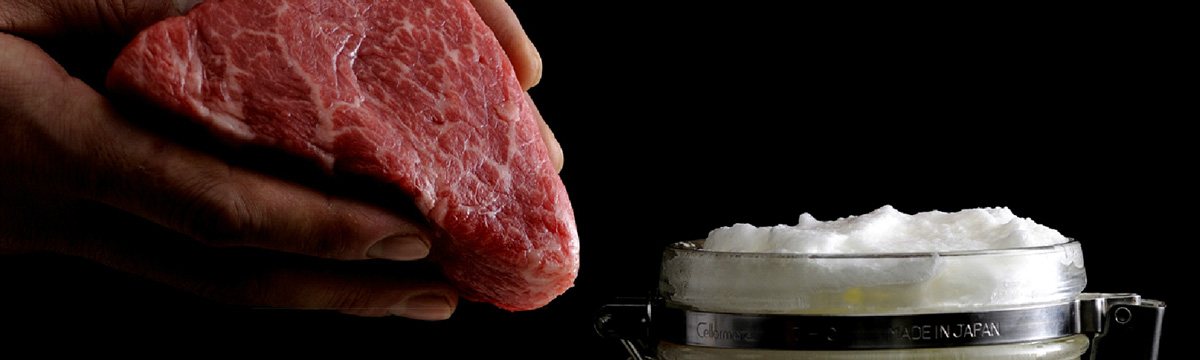
Authentic Kobe Beef vs “Kobe-Style”: How to Tell the Difference
Six requirements separate certified Kobe from the marketing term that borrowed its name. Here is what each one means and how to check.
Read more →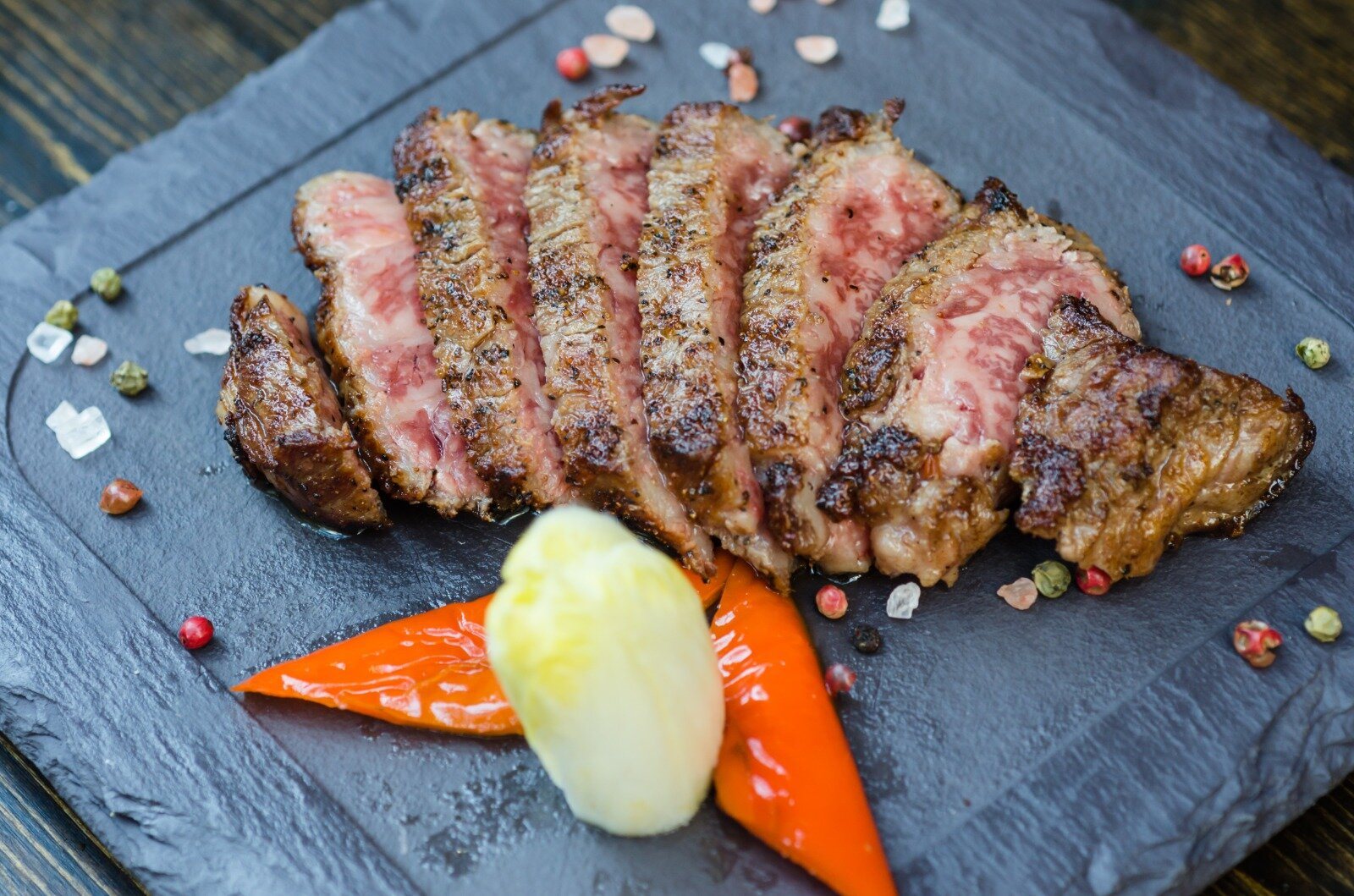
Wagyu Grading Explained: A5, BMS and What the Numbers Actually Mean
A5 is two separate scores stuck together, and the number most people care about isn't either of them. Here is how the scales actually work.
Read more →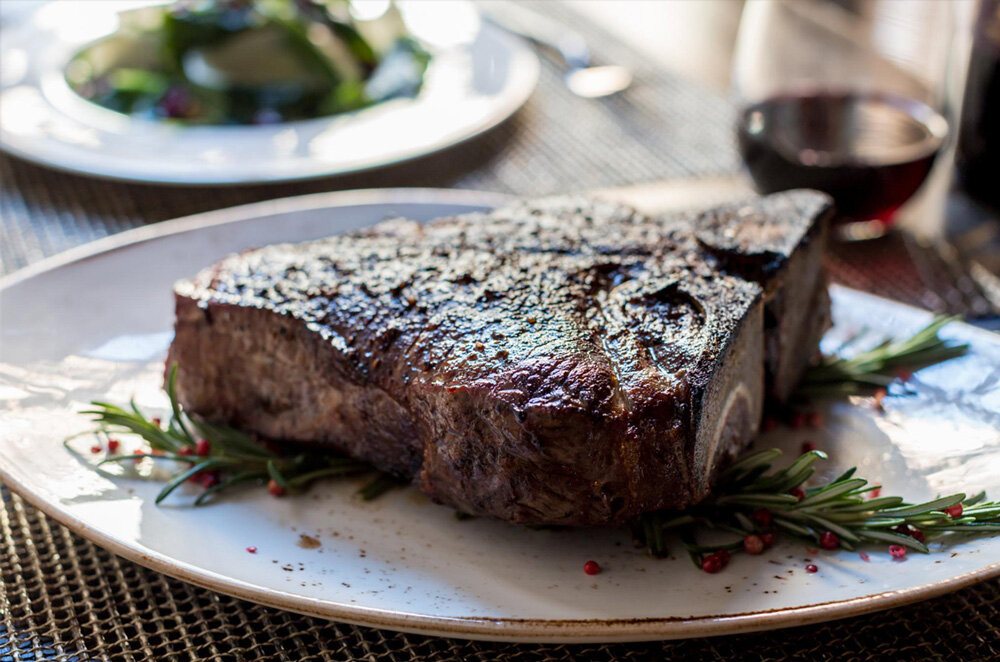
A Steakhouse Cuts Guide: Ribeye, Strip, Filet, Porterhouse and the Rest
Where each cut sits on the animal explains everything about how it eats. A practical guide to the whole menu.
Read more →